Our Guiding Principles
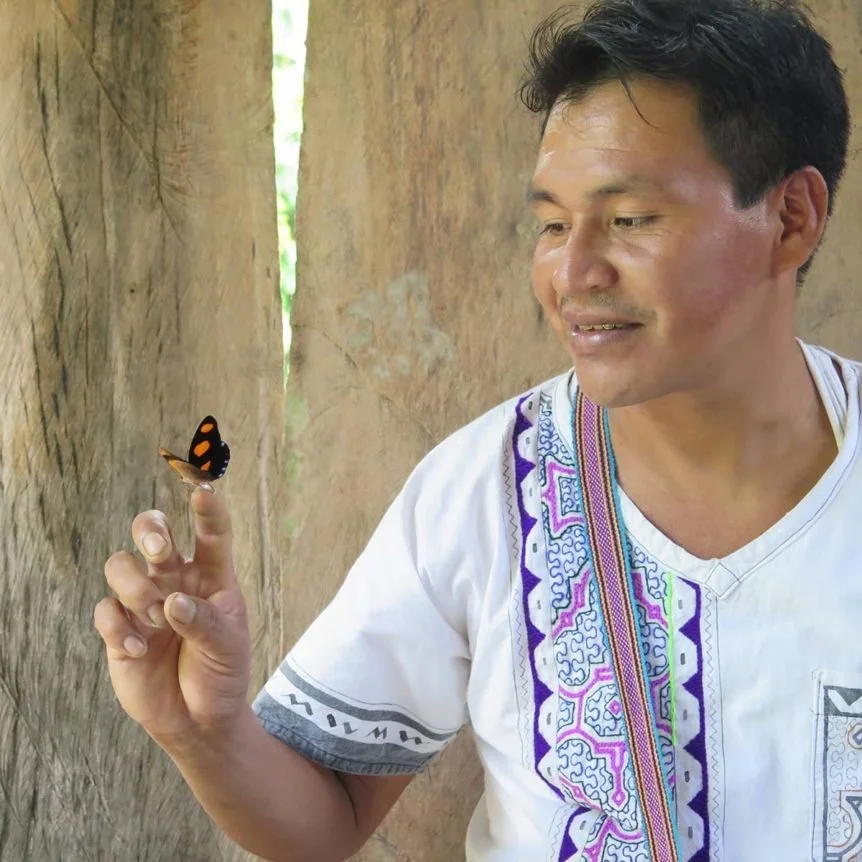
Bridging worlds with humility & respect
We are committed to embodying a culture of inclusivity, reciprocity, and openness.

-
Holistic spiritual approach
Recognizing that everything in nature, ourselves included, is intrinsically interconnected and worthy of respect.
Integrating interdisciplinary approaches to care, incorporating traditional knowledge, psychotherapeutic frameworks, and modern science.
Respecting the individuality of clients, from their cultural and community practices to spiritual and religious beliefs.
-
Trauma-informed care
Embodying the principles of trauma-informed care throughout our work.
Recognizing the prevalence of trauma at a racial, cumulative, and intergenerational level.
Avoiding retraumatization by creating an environment for preparation and integration that is safe physically and emotionally.
Providing care that promotes choice and collaboration.
-
Anti-oppressive practice and cultural humility
Approaching all we do with respect and humility, rather than from a position of authority.
Upholding cultural knowledge and practice - including connection to land, the role of traditional knowledge keepers, and the sacredness of ceremony.
Recognizing the deep impact of colonialism, oppression, and racism on wellbeing and health.
-
Reciprocity
Acknowledging that Indigenous people have worked with psychedelic medicines for generations and hold a vast and intimate knowledge
Committing to correct imbalances through ongoing questioning of what genuine benefit sharing looks like.
Upholding Indigenous voices in our work through regular consultation with our Indigenous Advisory Board.
-
Evidence-based practice
Drawing from evidence-based psychological theories and scientific research in designing our programs of care.
Integrating traditional knowledge systems that have been tried and tested for hundred (if not thousands) of years.
-
Harm reduction
Providing guidance that supports informed choices about health, retreats, and medicines/substances.
Safeguarding the welfare of individuals during a process that requires sensitivity and skilful containment.
Collaboratively promoting healthy coping and reducing harmful coping.
Reciprocity
By “reciprocity” we refer to the practice of exchanging things with others for mutual benefit, especially privileges granted by one community or organisation to another. Reciprocity is a concept which takes many forms around the world.
In South America, it can be linked to the Quechua term ayni which roughly equates to the idea of balance and/or harmony, describing a continuous state of dynamic imbalance.
Committing to reciprocity requires an ongoing pledge to correct imbalances, and such a commitment can only take place with a system of relationships in place.
Nothing about us without us
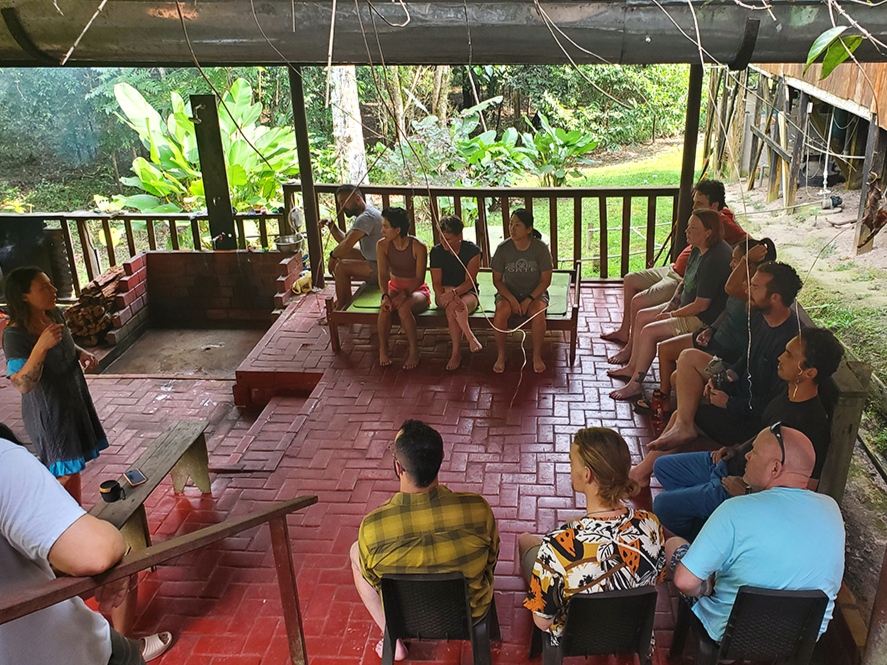
As the psychedelics industry continues to mature, the market size is rapidly increasing with a growing number of substantial investments being made. Practices such as the ayahuasca sessions of the Amazon rainforest and the mushroom velada rituals of the Mazatecs are often reworked, either consciously or not, by psychedelic retreats and clinical trials working towards government approved practices. There is a growing awareness that the so-called ‘psychedelic renaissance’ is extracting Indigenous knowledge.
It is vital that the benefits that originate from Indigenous knowledge are shared with such communities and that Indigenous voices are upheld in any work that harbours their wisdom.
There are numerous factors to consider if seeking to advance this work in an ethical way, which respects traditional knowledge and genuine reciprocity.