
Our story
We have been working in partnership with Indigenous healers in the Peruvian Amazon for the last decade.
Dr Simon Ruffell, Founder and CEO
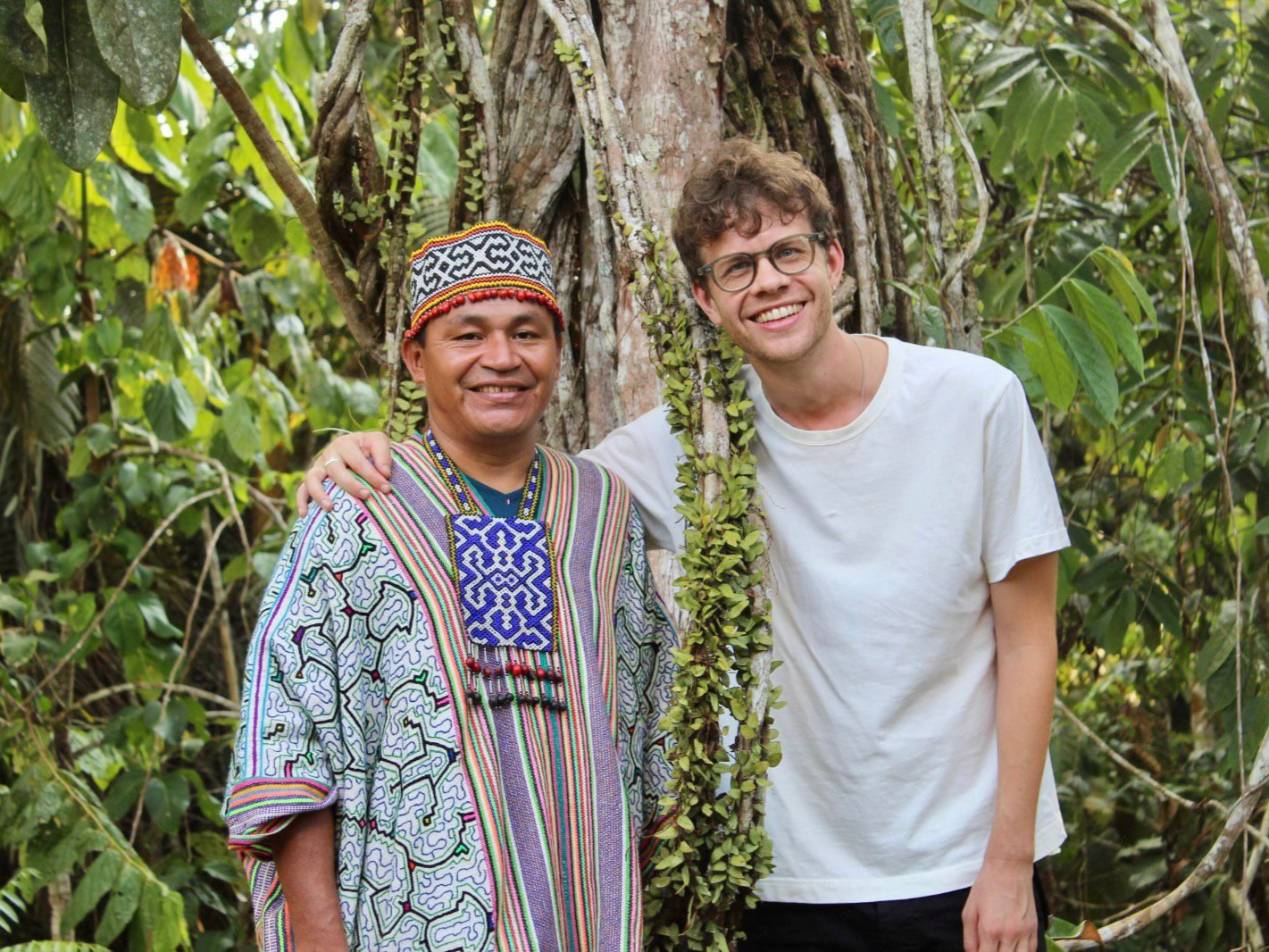
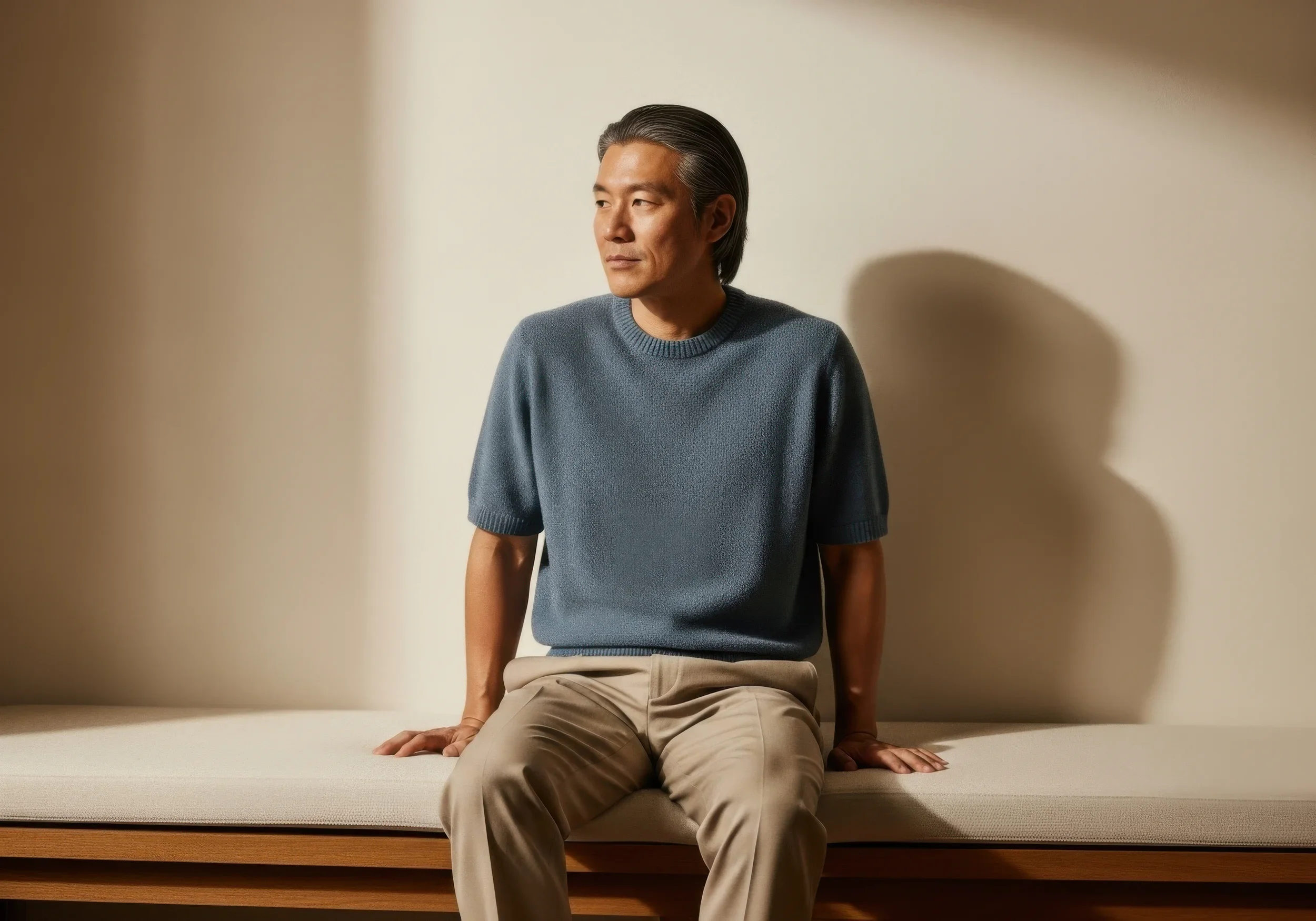
In 2015, as a psychiatrist disillusioned with Western mental healthcare and intrigued by global alternatives, I found myself in ceremony with Don Rono Lopez (pictured above), a traditional healer from Shipibo lineage working with ayahuasca and other plant medicines.
This marked the start of a lasting relationship grounded in a dedication to bridging traditional wisdom and modern science.
With an ever-growing team, we have been conducted groundbreaking research as Onaya Science, exploring the effects of psychedelic plant medicines and ceremony on body, mind, and spirit. An unlikely sequence of events led to funding from the British Medical Research Council, publications of ground-breaking results, a PhD in Amazonian Ayahuasca, and an ongoing five-year study of plant medicines for military veterans suffering from trauma. Whereas my colleagues used to tell me this was career suicide, we are now giving TED talks and publishing in top journals every year.
On these foundations, we have now developed research-backed programs and resources that combine traditional and modern models of care, with a commitment to holistic healing and interethnic collaboration for the benefit of individuals, communities, and the more-than-human world.
Welcome
Onaya Science is a not-for-profit founded to research Amazonian healing modalities such as ayahuasca, working towards the recognition - not validation - of Indigenous plant medicines.
At Onaya Science we believe in the value of knowledge systems of both Indigenous peoples as well as that of biomedical science.
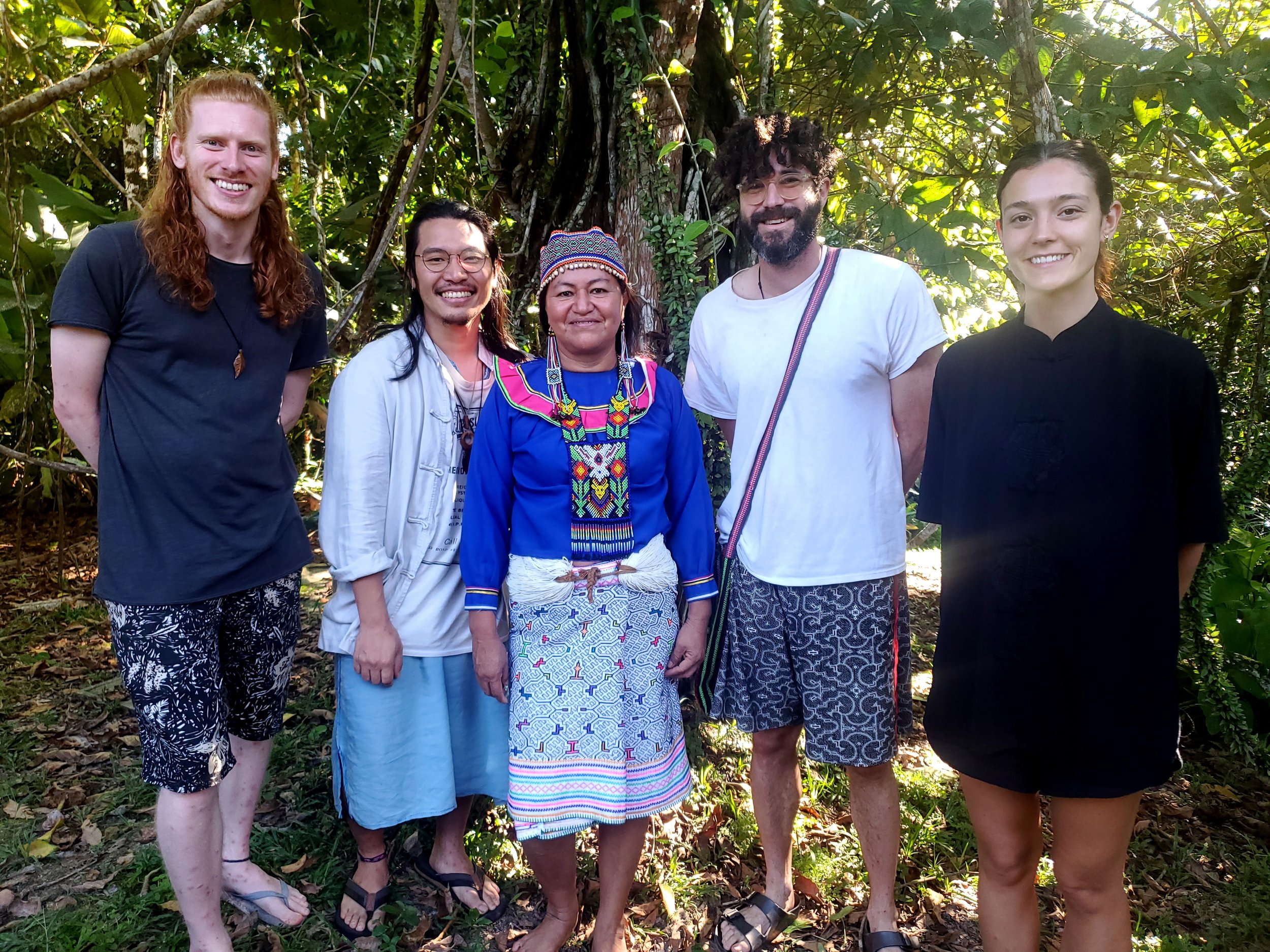
We are a multi-disciplinary team of academics, clinicians, and spiritual healers who are committed to working alongside the Shipibo-Konibo people to translate knowledge of Amazonian plant medicines, where possible, into scientific data and terminology. The consideration and respect of Indigenous practitioners of the Amazon basin always come foremost in our work.
By respecting different paradigms, we believe we can learn how they map on to one another and where they may diverge.
In doing so, we hope that we can develop a richer understanding and greater recognition of Amazonian plant medicines and traditional healing practices.
Onaya
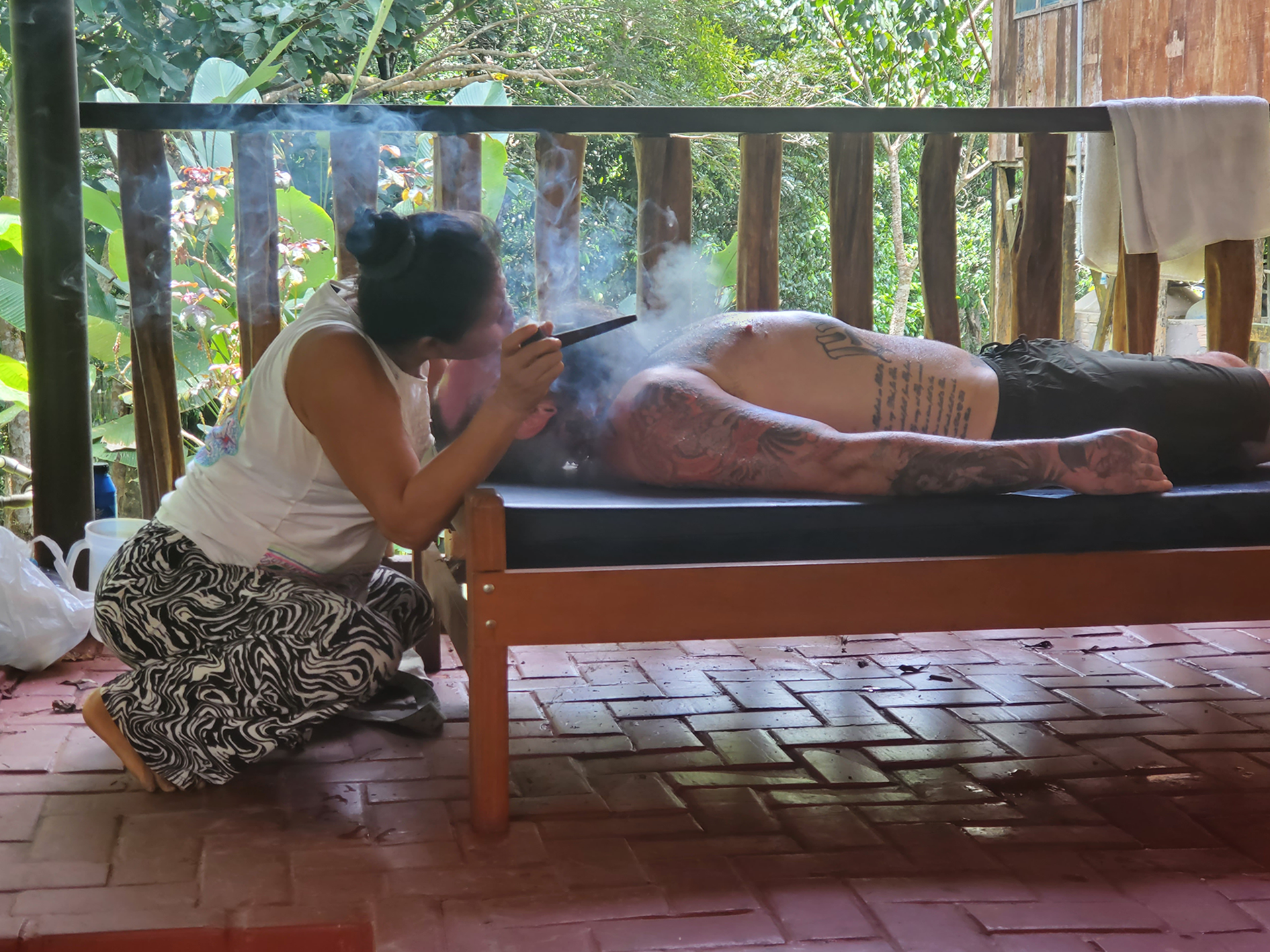
Meaning one who knows, onaya is a healer who works with oni, meaning wisdom or knowledge, the Shipibo name for Ayahuasca.
We research on Ayahuasca & Amazonian Plant Medicine
Ayahuasca is a psychedelic brew from the Amazon rainforest. It has been used for hundreds - if not thousands - of years for a range of purposes, from healing to hunting.
Ayahuasca is many different things to many different people. Very simply put, it is a mix of the Banisteriopsis caapi vine, also known as the Ayahuasca vine, and usually some leaves that contain the potent psychedelic Dimethyltryptamine (DMT). This is frequently Psychotria viridis, but many different types of leaves contain DMT.
Research findings so far.
So far, research both in the Amazon and in laboratories suggests that ayahuasca can positively affect mental health conditions such as depression and anxiety. Some research suggests that these changes can be sustained for up to six months.
Though clinical studies show promising results, further research is needed.
Safety of Ayahuasca
In general, ayahuasca has a good safety profile and long-term use is not known to have negative effects on cognition or mental health. There are, however, certain conditions where adverse effects may be more likely, for example in those with a history of psychosis.
Our Values
-

Reciprocity
We are committed to acting in reciprocal relationship with Indigenous healers based on benefit sharing.
-
Openness
We approach Indigenous concepts from a place of openness - viewing them not as metaphors or theology but as part of a valuable traditional paradigm.
-

Integrity
We give careful thought to the numerous ethical issues we encounter and try to always act from a place of integrity.
-

Collaboration
We collaborate and consult with Indigenous practitioners as well as experts from a range of disciplines.
-

Respect for Tradition
We listen to those who have worked with traditional plant medicines for generations and honour their practices and systems of knowledge.
-
Accessibility
We believe in sharing the things we learn in ways that are accessible and inclusive.
Noya Rao and the Mahua-Lopez Lineage
Most of our research, collaboration and apprenticeship has been with the Mahua-Lopez healers based in the llpahuayo-Mishana National Reserve and nearby areas around Iquitos.
The Lopez brothers - Rono, Enrique and Miguel - are the latest in a long and powerful Shipibo lineage, passing vast knowledge of the jungle from generation to generation, dieting with plants and working with ayahuasca since their early childhood.
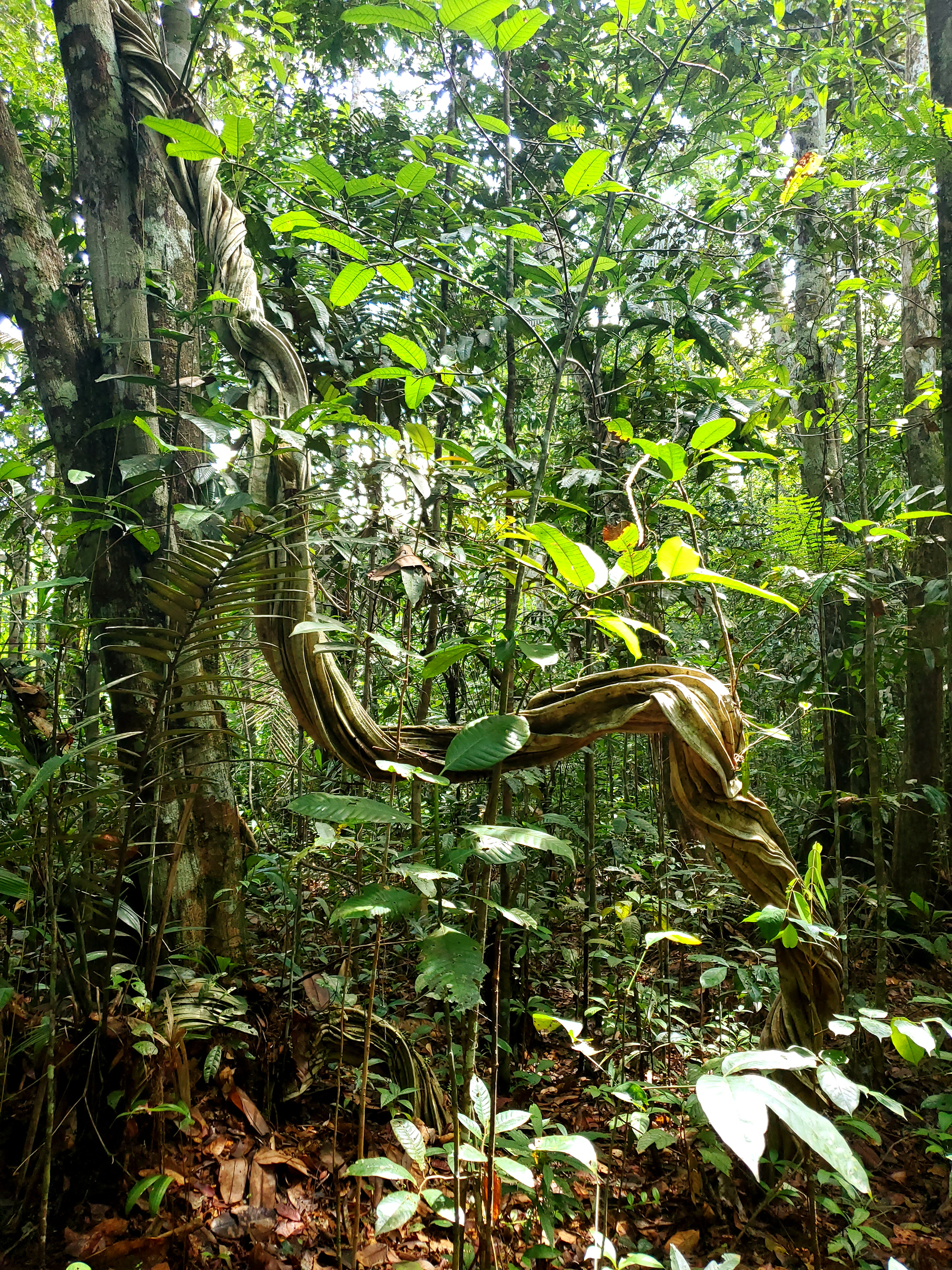
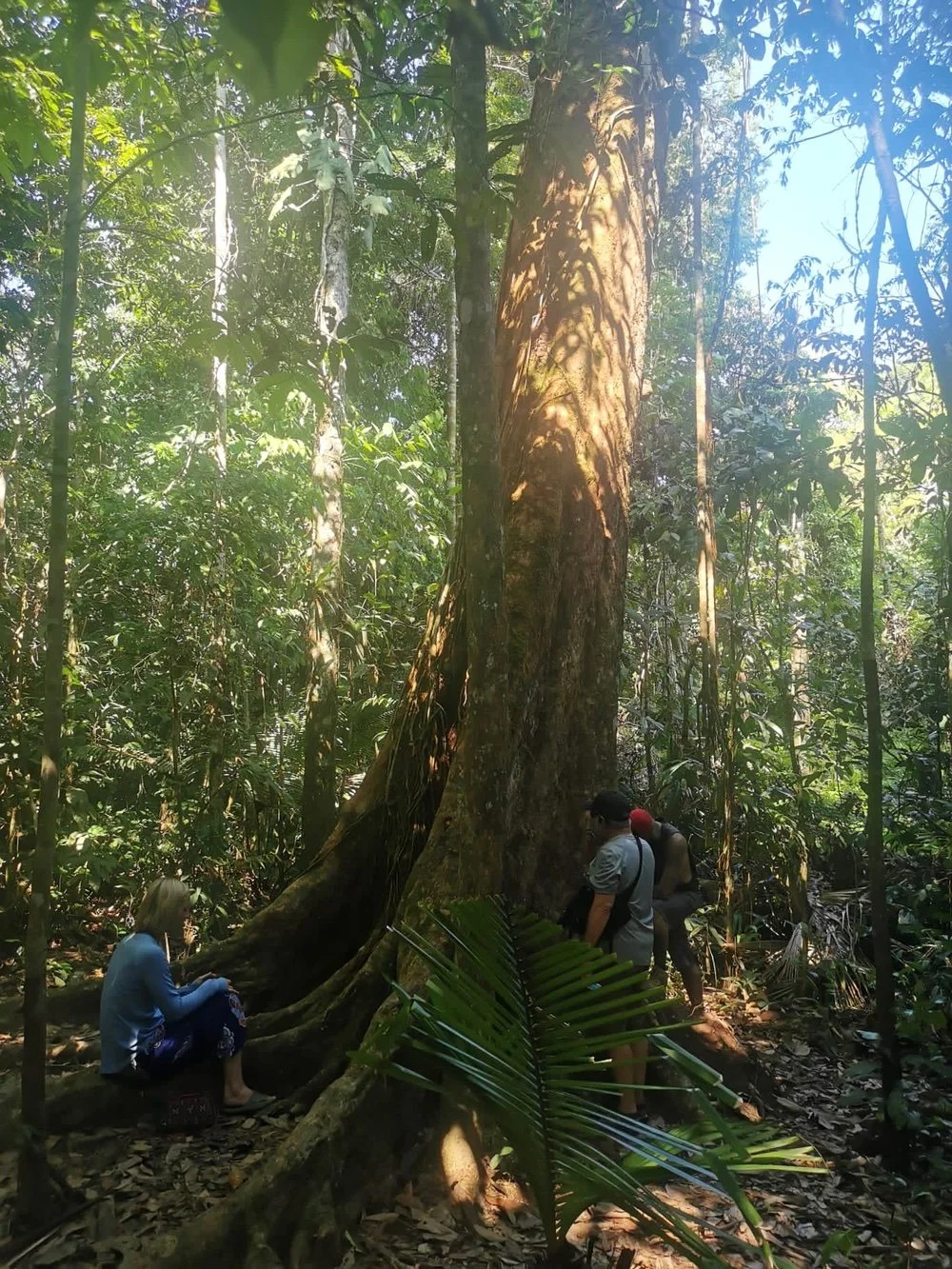
Working alongside Don Wilder Mahua and his family, the Noya Rao tree (pictured left) is the cornerstone of their ‘curanderismo’ (shamanic healing).
With its glowing bioluminescent leaves and powerful, pure character, Noya Rao - also known as the ‘enlightened tree’ or the ‘flying tree’ (palado valor) - has a legendary status in Shipibo curanderismo.
One of the ‘cinco medicos’ (five key master plants), it was thought to have disappeared from the jungle for decades, until it showed up to the Lopez brothers 13 years ago: first in their dreams and visions, and then on their land.
According to Shipibo cosmology, the reappearance of Noya Rao is a way for the rainforest to communicate with humans and induce changes in our behaviour, to come into right relationship with ourselves and the rest of nature.
Plant Dietas
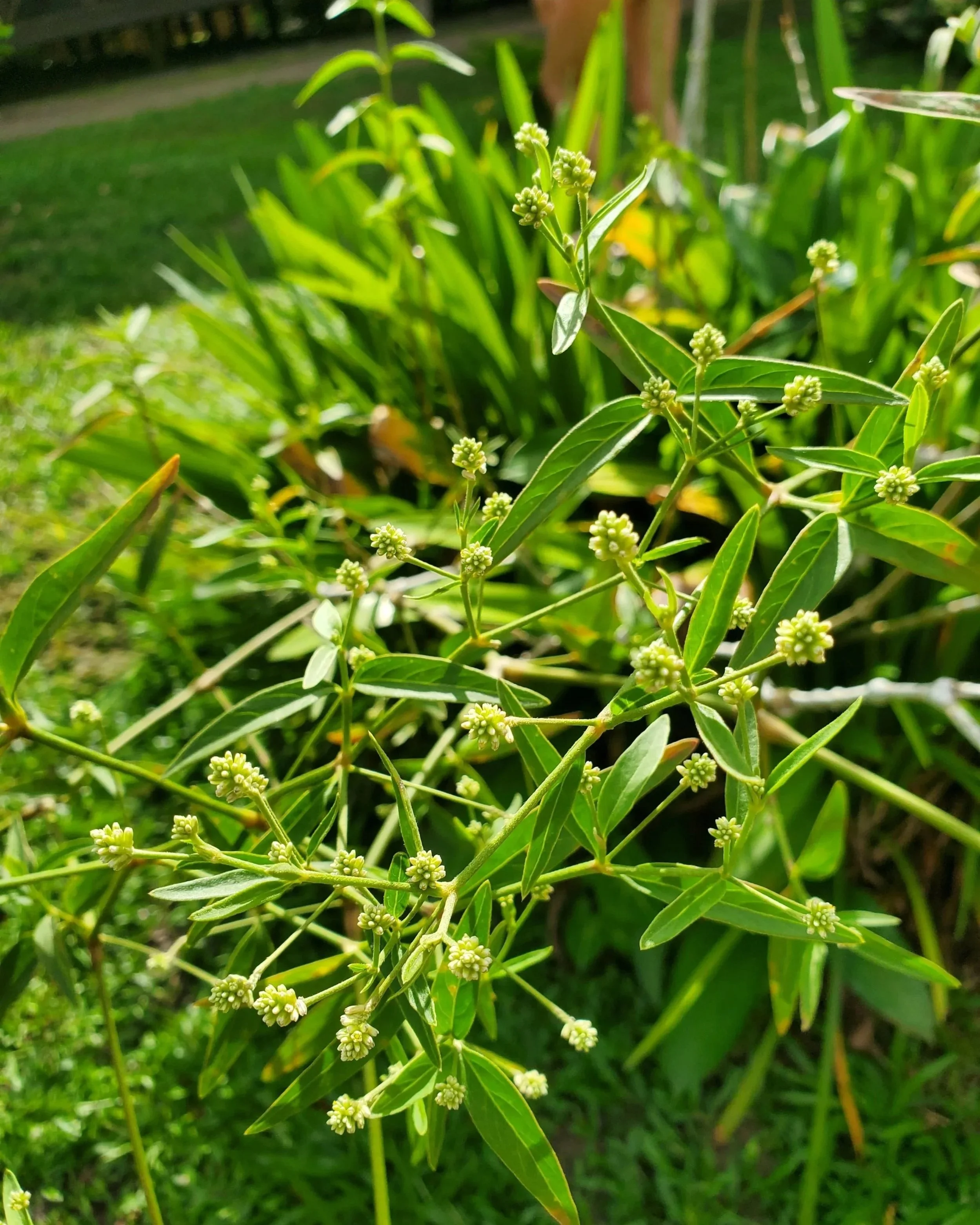
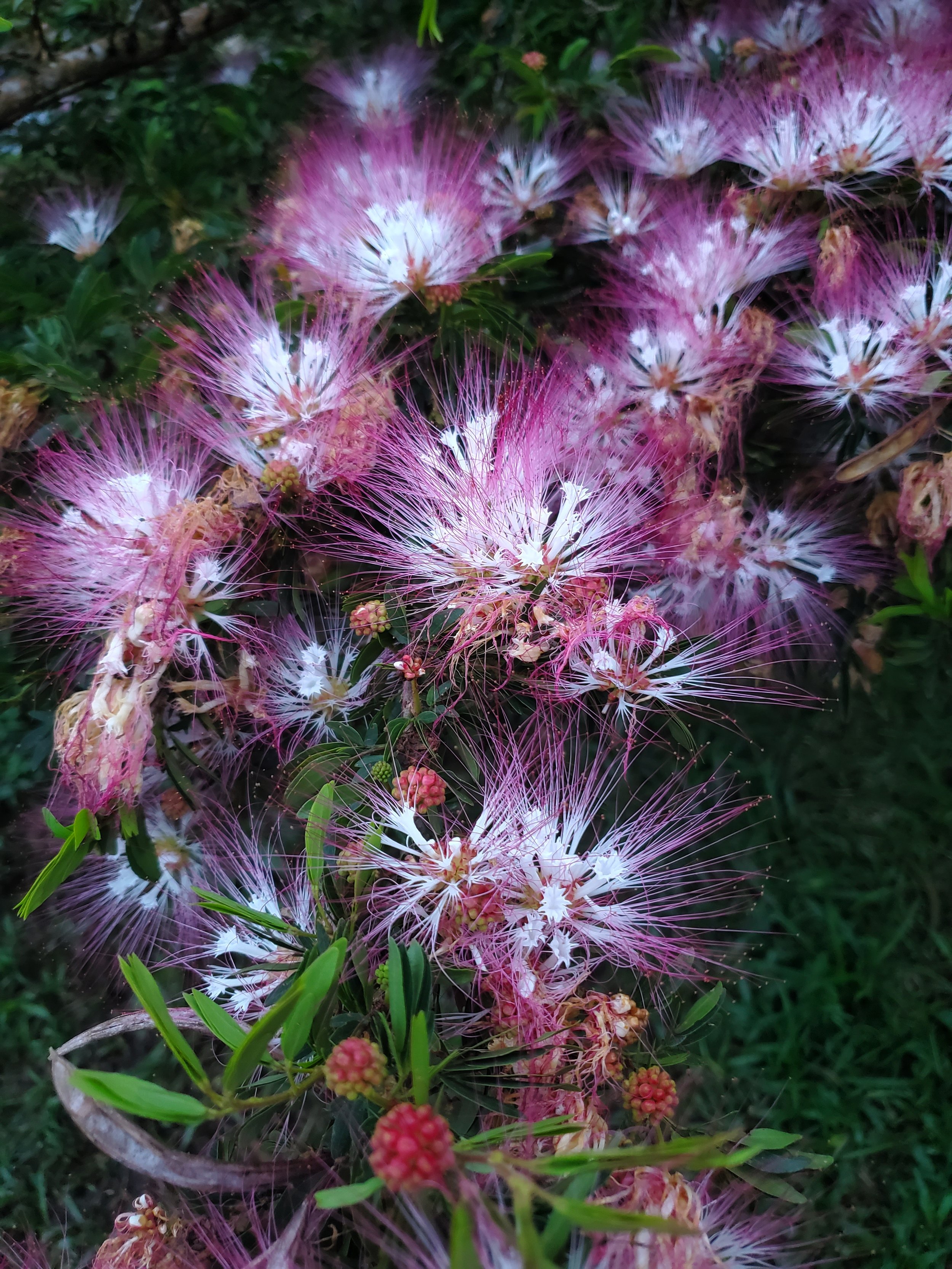
The main method of training in Shipibo curanderismo - and other forms of indigenous shamanism and working with plants across many cultures - is performing a ‘dieta’ (diet) with particular plants.
Dieting involves going into (near) isolation for days, weeks or months, ingesting extracts of the ‘master’ or ‘teacher’ plant while fasting and abstaining from sexual activity alongside ayahuasca ceremonies.
According to the Shipibo, this gruelling process facilitates close contact with the spirit (or the essence, character or ‘plantness’) of the plant. It sharpens one’s senses, empties the mind and opens up the transmission of visions, dreams and messages that can prove incredibly valuable in day-to-day life.
Dieting with Noya Rao was one of the most important things I’ve ever done, and our team still places a big emphasis on dieting and working closely with Noya Rao and other master plants (both from the Amazon and those native to our homeland, such as Elder).
Are plants spirits really ‘real’, or is dieting just a matter of connecting to parts of oneself? These are big questions that we have spent years grappling with, but my suspicion is that they be misguided. What is undeniable is that dieting is an ancient and powerful practice, without which the ritual use of ayahuasca makes little sense.